Structural vs maintenance welding: what is the difference?
Structural welding and maintenance welding are often discussed together, but they support different parts of an industrial project or operating site. Understanding the distinction can make it easier to plan the right type of welding support and keep the scope clear from the outset.
For mining, construction, civil and industrial teams, the difference usually comes down to whether the work is focused on creating or modifying a structural component, or maintaining and repairing existing equipment and fabricated items. Both require a practical approach that suits the surrounding site conditions and project requirements.
What structural welding is used for
Structural welding generally relates to fabricated components that form part of a larger structure or installation. This may include structural sections, fabricated supports and other welded components required as part of project work.
The welding needs to suit the intended application and the wider fabrication scope. On industrial sites, that also means considering how the work fits around access, surrounding trades and the sequence of the project.
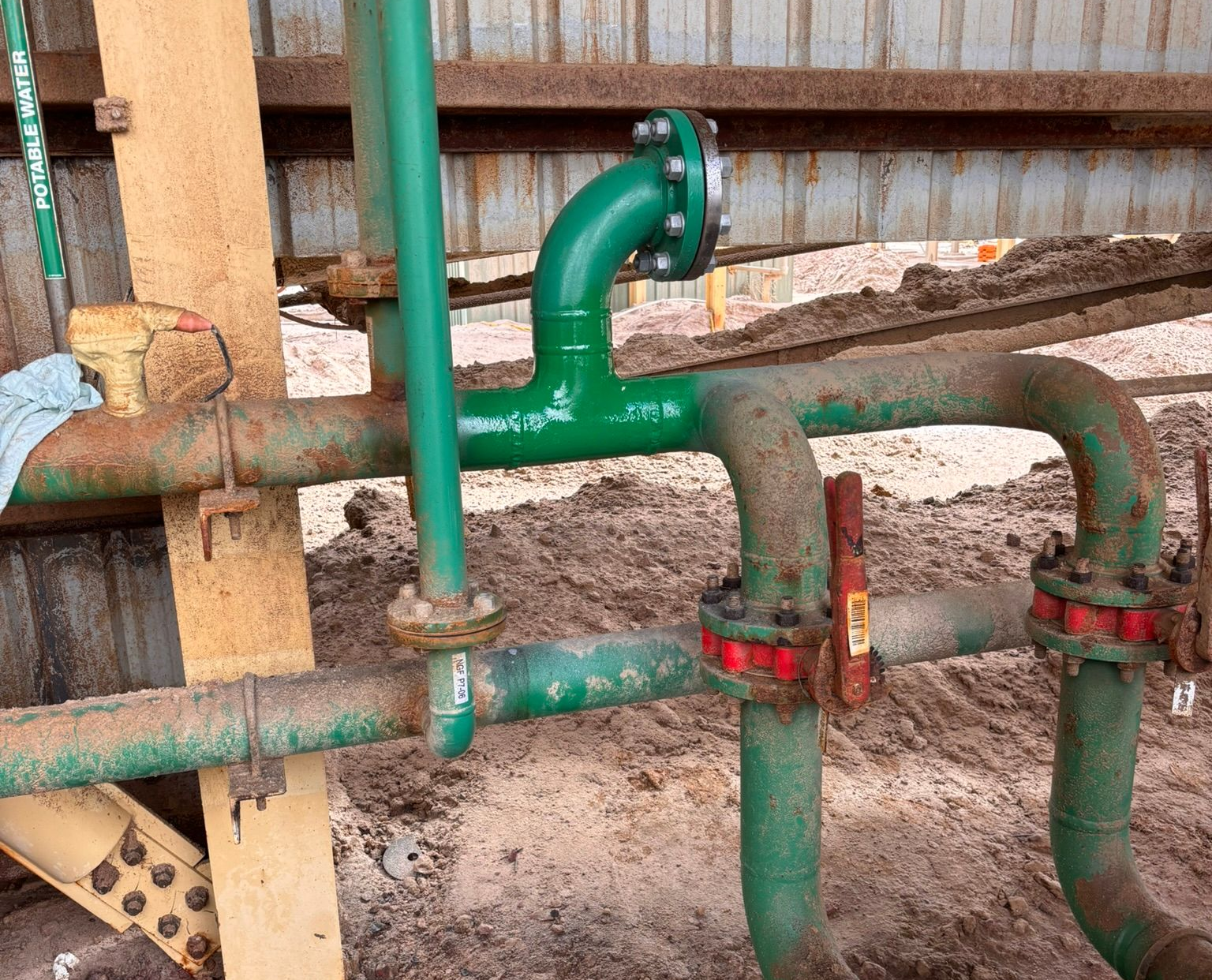
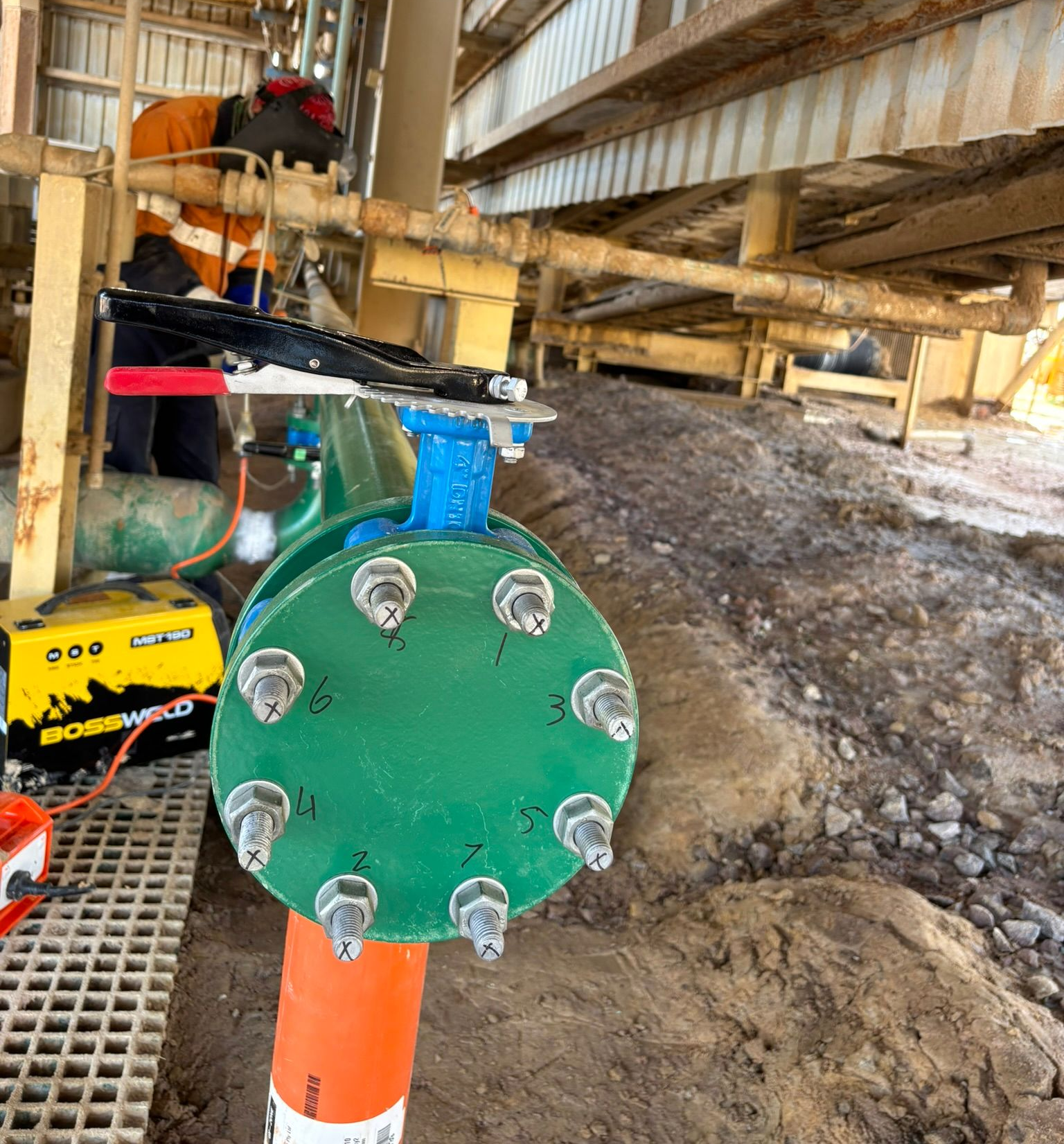
DRG Industrial Services Pty Ltd provides structural and maintenance welding for industrial projects, with a practical focus on fit-for-purpose work and coordination with site teams.
What maintenance welding is used for
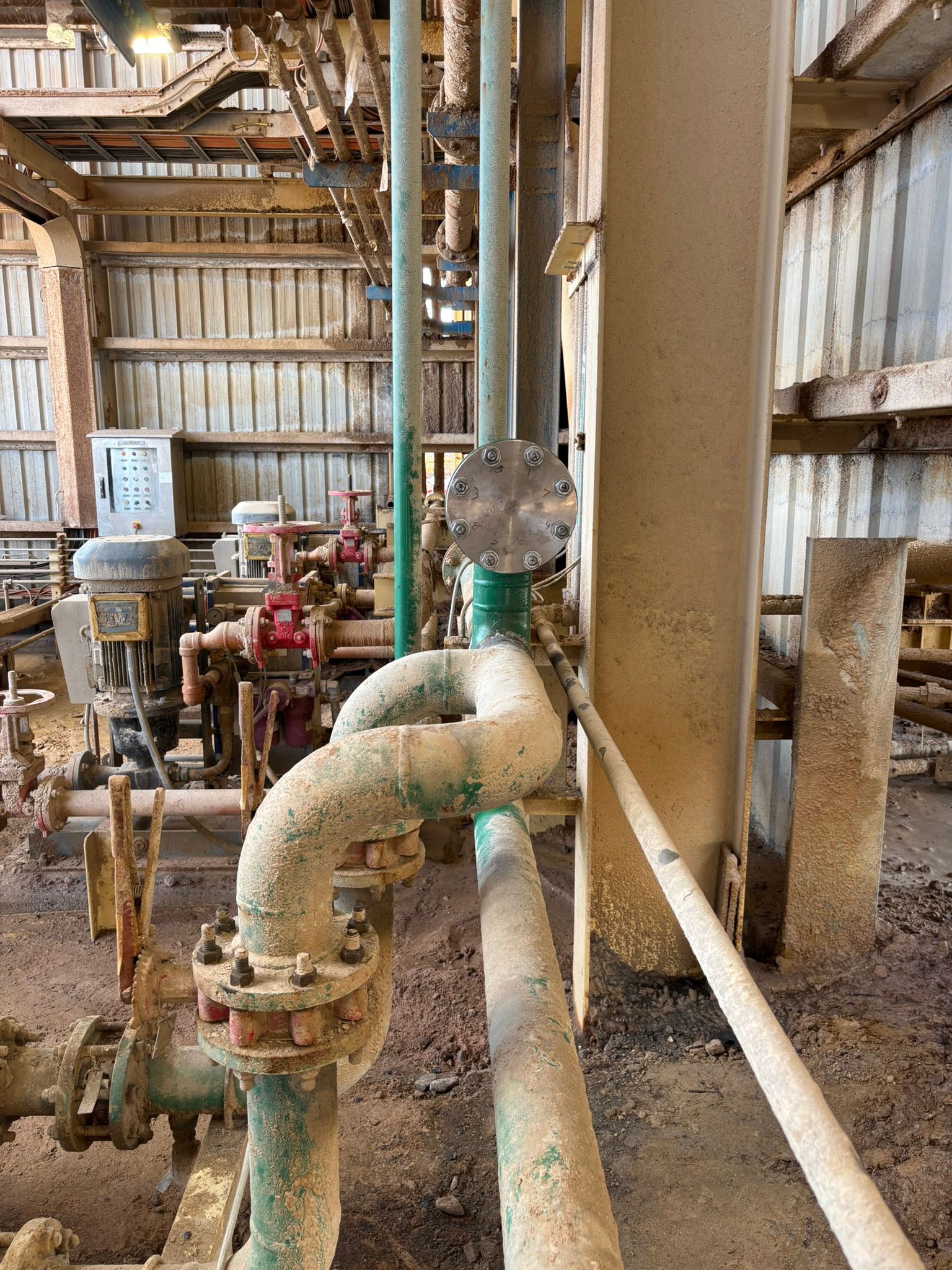
Maintenance welding is focused on keeping existing assets, fabricated components and site infrastructure serviceable. It can involve repairs, reinforcement, modifications or other welding work required as part of ongoing maintenance.
This type of work is often carried out around existing operations, so planning and site coordination are important. The goal is to address the required welding work without creating unnecessary complexity for the wider maintenance programme.
Where the two services overlap
Structural and maintenance welding can overlap on some projects. A maintenance task may require a new fabricated support, while a structural project may involve modifying existing components to suit a revised layout or installation.
For this reason, it is useful to assess the actual work required rather than treating each service as completely separate. A clear scope helps determine whether the job is primarily structural, maintenance-focused or a combination of both.
What a practical welding process looks like
A practical process starts with understanding the work area, the component involved and how the task fits into the wider site programme. From there, the welding approach can be planned around the intended application and surrounding project activity.
This is particularly important on industrial sites where welding may need to be coordinated with fabrication, maintenance, access requirements or other contractors working in the same area.
Choosing the right welding support
If the work involves a new fabricated component, structural modification or project installation, structural welding may be the main requirement. If the work is focused on repairs, upkeep or changes to existing components, maintenance welding may be more appropriate.
In many cases, the most effective approach is to consider the full job rather than a single label. That helps keep the welding support aligned with the actual project or maintenance need.
Discuss structural and maintenance welding
For industrial work in Kalgoorlie and across Western Australia, explore our structural and maintenance welding service to see how we support repairs, fabrication and project work.
If you have an upcoming welding requirement, contact DRG Industrial Services Pty Ltd to discuss the scope, site requirements and practical support needed.