How custom pipe spooling supports industrial projects
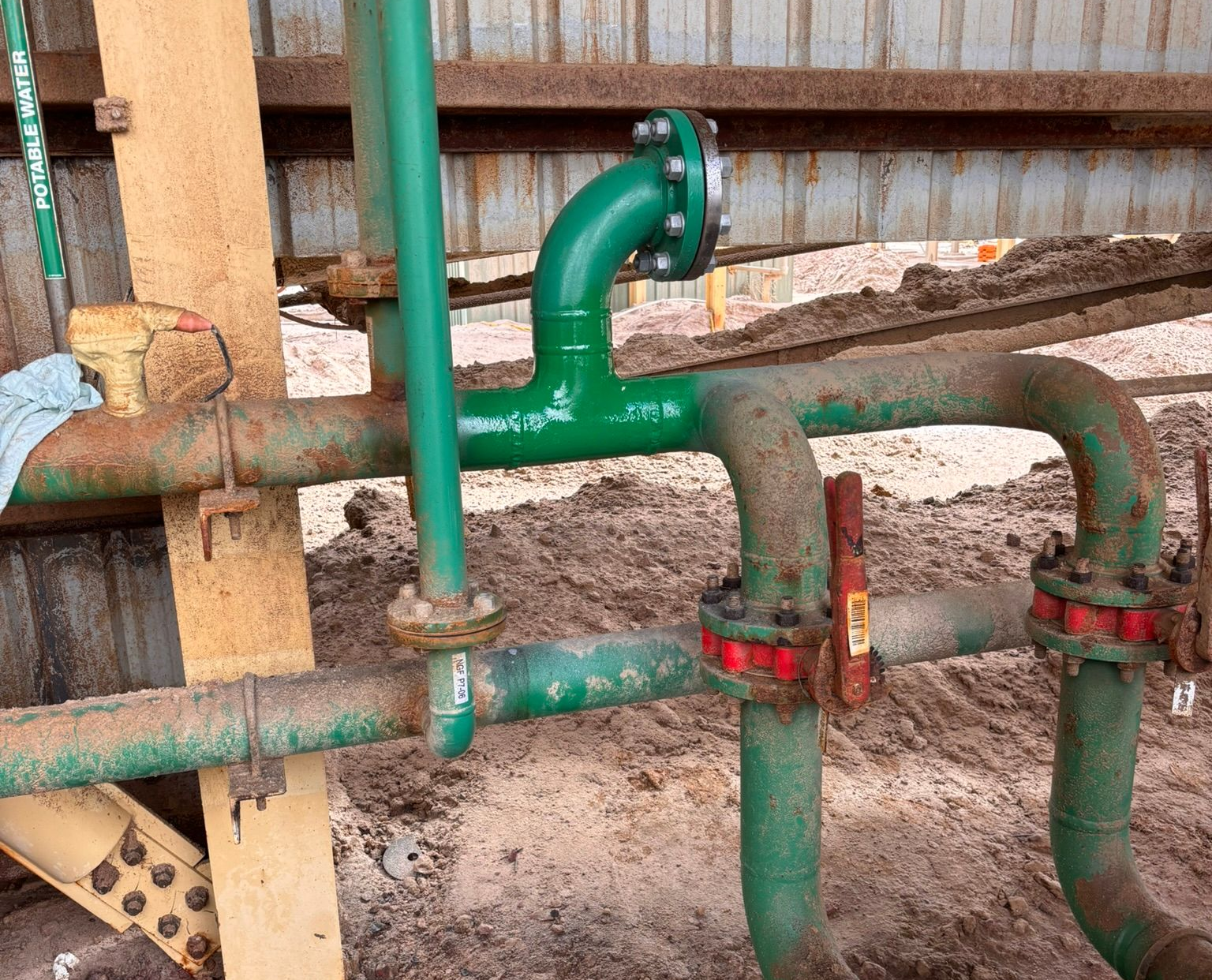
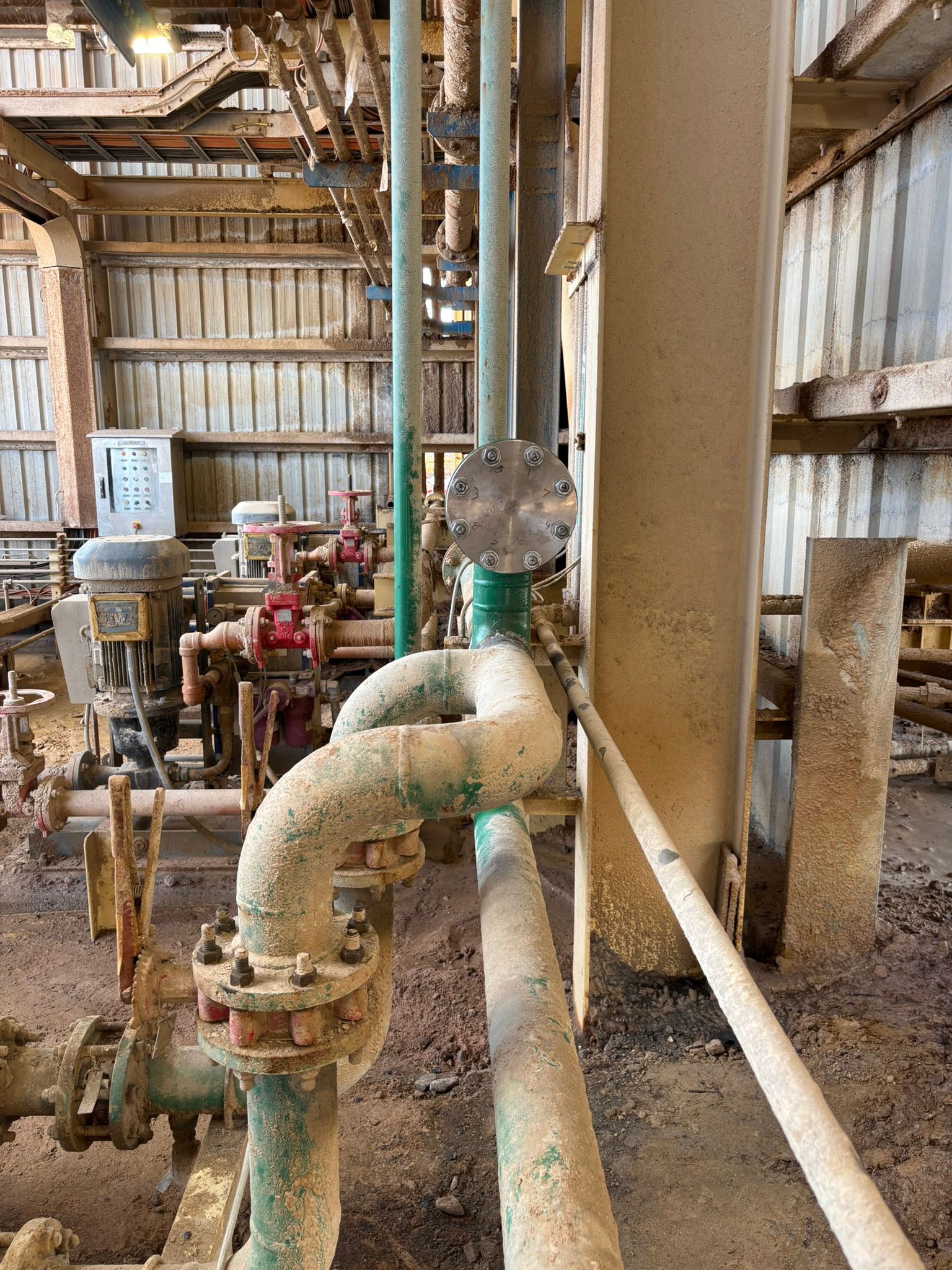
Custom pipe spooling helps industrial projects move from design or replacement requirements into fabricated pipe sections that can be installed as part of a wider system. Rather than treating each section as an isolated component, pipe spooling considers how fabricated pieces need to fit the surrounding layout, connection points and project sequence.
For mining, construction, civil and industrial work, this can support maintenance programs, upgrades and new installations where fabricated pipe sections need to suit an existing or planned system.
What custom pipe spooling involves
Pipe spooling is the fabrication of pipe sections prepared to suit a specific layout or application. The work may involve straight sections, changes in direction, connection points or replacement sections designed to fit within an existing arrangement.
A practical fabrication approach considers how each spool will connect to the wider system and how it will be installed on site. This helps reduce uncertainty around fit and supports more efficient installation planning.
Why fit and layout matter
Industrial pipework often has to work around existing equipment, structures and access constraints. A spool that is fabricated without considering the surrounding system can create unnecessary rework or installation difficulty.
By reviewing the intended application, dimensions and connection requirements during fabrication, the work can be better aligned with the project layout. This is especially useful for maintenance replacements and upgrades where new fabricated sections need to integrate with existing infrastructure.
Where pipe spooling can support maintenance work
Maintenance projects may require damaged, worn or outdated pipe sections to be replaced. Custom fabrication allows replacement spools to be produced around the actual system requirements rather than relying on generic components that may not suit the installation.
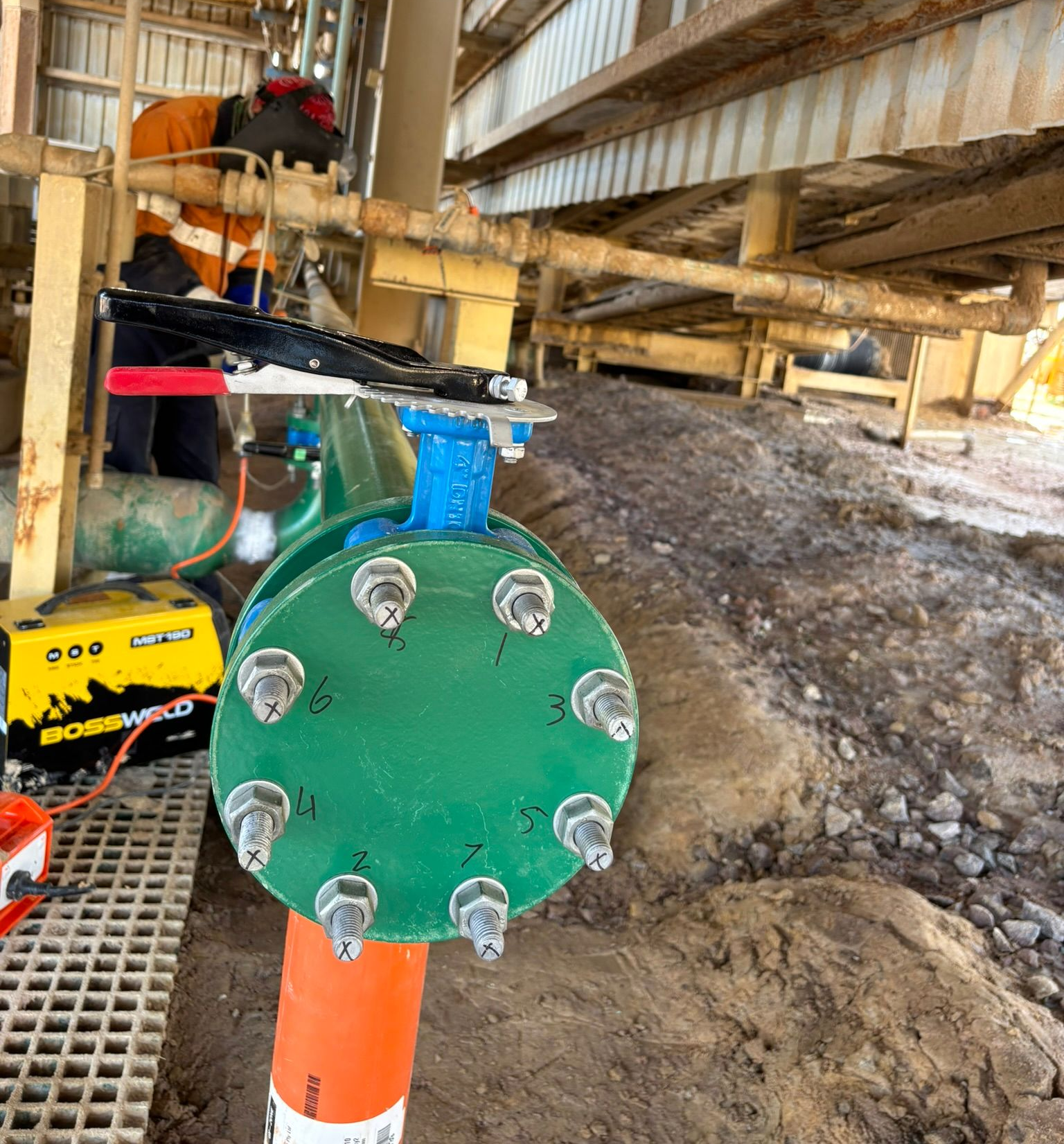
This can also help maintenance teams coordinate pipe replacement with other work happening on site, including welding, HDPE fabrication or general project support.
Supporting project installations
For new project work, custom pipe spools can be fabricated to suit planned layouts and installation sequences. Keeping the fabrication scope aligned with the wider project can make it easier to coordinate deliveries, access and installation activities.
DRG Industrial Services Pty Ltd provides custom pipe spooling for industrial systems, maintenance programs and project installations across Western Australia.
How pipe spooling fits with other fabrication services
Pipe spooling often sits alongside other industrial trade requirements. A project may also involve structural welding, HDPE fabrication or labour support, depending on the system and the work being completed.
Coordinating these requirements around a clear scope can help reduce duplication and make it easier for project teams to manage related fabrication tasks.
When to consider custom pipe spooling
Custom pipe spooling may be suitable when a project needs fabricated sections to match an existing system, a maintenance replacement must fit a specific layout, or a new installation requires project-specific pipework.
The key is to focus on fit-for-purpose fabrication that suits the surrounding system and the practical requirements of installation.
Explore our pipe spooling service
To learn more about how we approach fabrication for industrial systems, explore our custom pipe spooling service.
If you are planning maintenance, replacement work or a new installation, contact DRG Industrial Services Pty Ltd to discuss the project scope and fabrication support required.